Full-Scale Water Damage Services: Defend Your Property From Potential Issues
Extensive liquid harm services play an essential role in safeguarding properties from ongoing risks. They include regular inspections and maintenance of plumbing and roofing systems. Prompt detection of potential issues can prevent substantial harm. Furthermore, advanced techniques like water removal and mold treatment tackle current issues effectively. However, the most effective strategies also include preventive measures. Comprehending these aspects can be critical for homeowners seeking to safeguard their investments and ensure long-term safety. What should they focus on next?
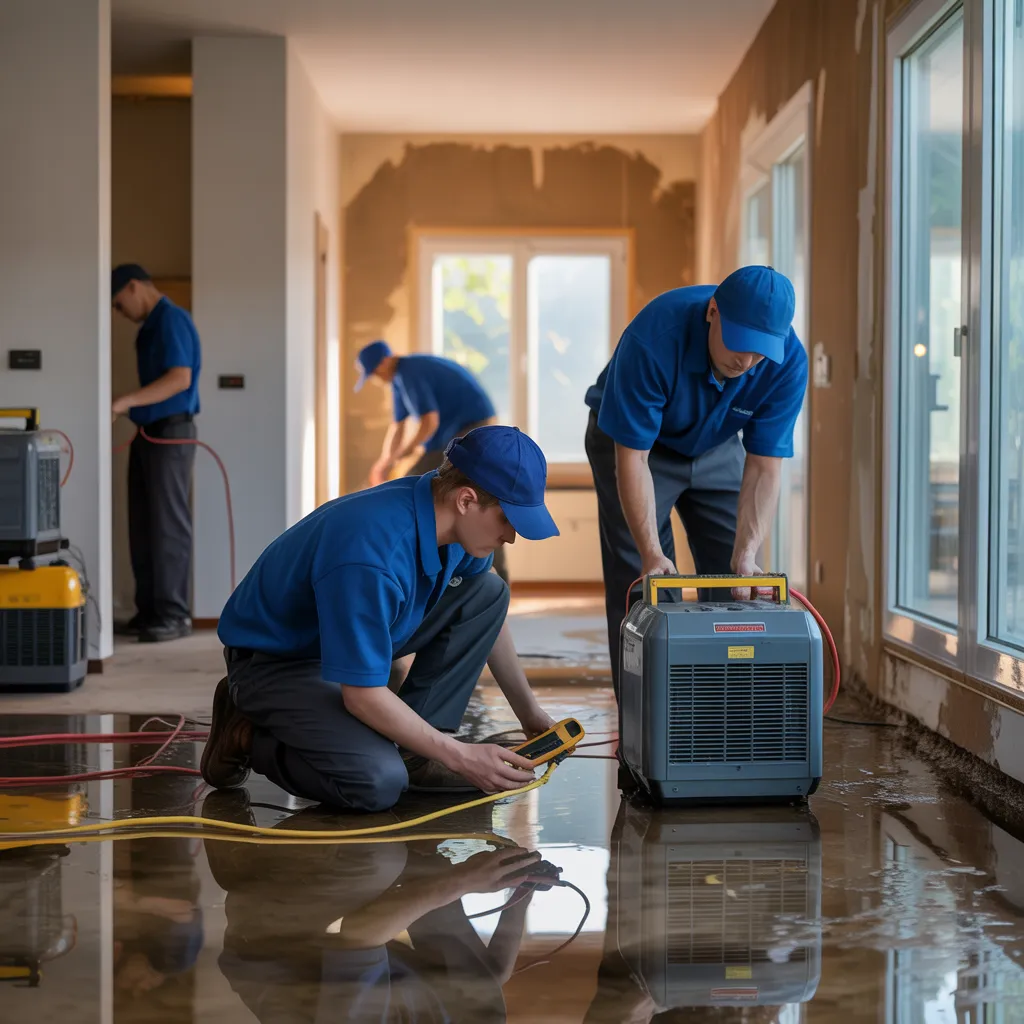
Why You Need to Take Immediate Action on Water Damage
Acting quickly to water damage is critical. Putting off action can cause major complications, such as structural damage, mold growth, and amplified repair costs. Water can infiltrate walls, flooring, and insulation, forming a suitable habitat for mold spores to grow within 24 to 48 hours. This not only jeopardizes the property but also introduces risks to inhabitants.
Furthermore, the extended the water remains, the more extensive the damage becomes, potentially undermining the integrity of the building. Prompt action assists mitigate these effects, preserving both the building's worth and the security of its residents.
Moreover, swift response can facilitate the healing timeline, allowing homeowners to resume normal living quicker. Engaging expert remediation teams promptly can ensure comprehensive assessments and successful repair work, avoiding additional problems in the future. Prioritizing immediate response is essential for safeguarding both property and wellbeing.

What Triggers Moisture Harm and How to Spot It Soon?
Water damage may develop from various sources, making early diagnosis crucial for mitigation. Common causes include plumbing leaks, roof leaks, and natural disasters such as heavy rain or floods. Aging infrastructure, such as worn-out pipes or compromised roofing materials, can also contribute greatly to water intrusion.
Homeowners should watch for evidence of water damage, which may include marks on walls or ceilings, a musty odor, and mold growth. Moreover, peeling paint and warped flooring are warnings that moisture may be present. Periodic inspections of plumbing systems and roofing can help catch issues before they escalate.
Early detection is vital; tackling possible causes of water damage quickly can reduce costly restoration and preserve the integrity of the property. By understanding the causes and recognizing the signs, property owners can take proactive measures to shield their homes against water-related issues.
Necessary Services for Efficient Water Damage Restoration
When a home experiences water damage, prompt and professional restoration solutions are crucial for successful recovery. Key services include water extraction, which involves removing standing water to prevent additional harm. Following this, comprehensive drying and dehumidification techniques are critical to eliminate moisture from buildings and materials. Restoration specialists assess the degree of damage and determine necessary repairs, whether it means replacing flooring, drywall, or insulation.
Additionally, mold remediation is essential, as mold can develop rapidly in damp conditions, presenting health risks and further damaging the property. Advanced techniques, such as thermal imaging and moisture mapping, help identify hidden water sources and avoid recurrence. Finally, deodorization and sanitization services guarantee that any lingering odors and contaminants are addressed, returning the property to a safe and livable condition. Together, these important services create a comprehensive approach to efficient water damage restoration, safeguarding properties from long-term issues.
Tips for Preventing Future Water Damage
Effective water damage restoration highlights the importance of proactive measures to avert future incidents. Property owners should regularly inspect their roof systems, rain gutters, and downspouts to verify they are free from blockages and functioning properly. This prevents water accumulation that can lead to leaks and structural damage. Additionally, maintaining plumbing systems by checking for leaks and verifying proper drainage can greatly reduce the risk of water damage.
Installing sump pumps in underground spaces and choosing moisture-resistant materials during refurbishments can also offer an extra layer of protection. Moreover, homeowners should consider landscaping adjustments, such as grading soil away from the foundation, to direct water runoff effectively. Regular servicing and prompt maintenance are essential for defending residences against potential water damage, thereby sustaining their structural soundness and appeal. Taking these steps can help create a robust setting that lowers upcoming risks related to water ingress.
A Guide to Picking the Most Suitable Water Damage Service Provider
How might property owners guarantee they select the most fitting water damage service provider? First, they should research potential companies thoroughly, checking for certifications, licenses, and insurance. A reputable provider should possess industry-standard certifications, such as those from the Institute of Inspection, Cleaning and Restoration Certification (IICRC).
Following this, examining client reviews and endorsements can furnish insights into the company's credibility and service performance. Property owners should also explore the breadth of services offered, making certain they feature everything from basic evaluation to full-scale restoration.
Additionally, acquiring multiple estimates can assist with evaluating costs and understanding the range of services offered. Finally, assessing the provider's response time is critical; a quick reaction can reduce further damage. By considering these factors, homeowners can determine the best course of action, guaranteeing their property receives the best possible care in times of crisis.
Common Questions That Customers Ask
How Much Does Water Damage Repair Usually Cost?
Water damage repair expenses typically fall from $1,000 to $5,000, based upon the severity documentation of the damage, location, and services required. Other elements, like materials and workforce, can affect the total price substantially.
Will My Insurance Policy Pay for Water Damage Restoration?
Insurance protection for water damage restoration often is determined by the policy specifics. Generally, if the damage results from a covered incident, such as a burst pipe, insurance companies may offer financial assistance for restoration costs.
How much time Does Water Damage Restoration Take?
Water damage repair generally takes one to five days, reliant on the degree of damage, the affected materials, and the required drying process. Delays may occur if extensive repairs or mold remediation are required.
Is It Possible for Me to Handle Water Damage Cleanup Myself?
Performing water restoration work solo is attainable, but it frequently demands specialized knowledge and equipment. Substandard remediation can spark mold spread and structural deterioration, rendering professional intervention a safer and more effective decision.
What Health Risks Result From Water Damage?
Water damage presents numerous health risks, including mold growth, which can provoke respiratory issues, allergies, and infections. Contaminated water may also carry bacteria and viruses, producing gastrointestinal illnesses and other serious health complications.